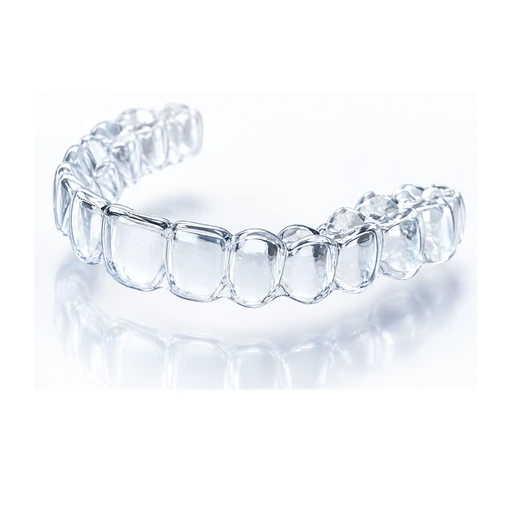
Invisalign in Maple Ridge
Understand the treatment behind the brand—from your first questions to daily wear, finishing and retainers.
What you are choosing when you choose Invisalign
Invisalign is Align Technology’s clear-aligner system. Its terminology includes ClinCheck for digital planning, SmartTrack for aligner material and SmartForce for certain attachment features. These identify parts of the system; they do not establish that one proposal will outperform another. [1][2]
For a patient, the important explanation is concrete: which teeth will move, what bite changes are included, what will be placed on the teeth and how the team will assess progress. Keep a copy of the written scope rather than relying only on a digital smile preview.
Make the first visit useful.
Bring the concern you most want to solve, a list of questions and details of existing dental treatment. A photo of an earlier smile can help communicate a goal, but it cannot substitute for examination or records.
Ask to understand the difference between improving visible alignment and correcting how the upper and lower teeth meet. A plan can have specific limits. Knowing those limits before treatment is more useful than discovering them at the last tray.
For a teen, invite them to describe their school and activity routine. For an adult, explain work patterns, previous orthodontics and any restorative dental plans. The same product name may sit within very different treatment proposals.
Life between appointments
Invisalign is worn for most of the day, with the exact schedule prescribed by the clinician. Plan when trays come out and return to the mouth rather than leaving them out between meals. [3]
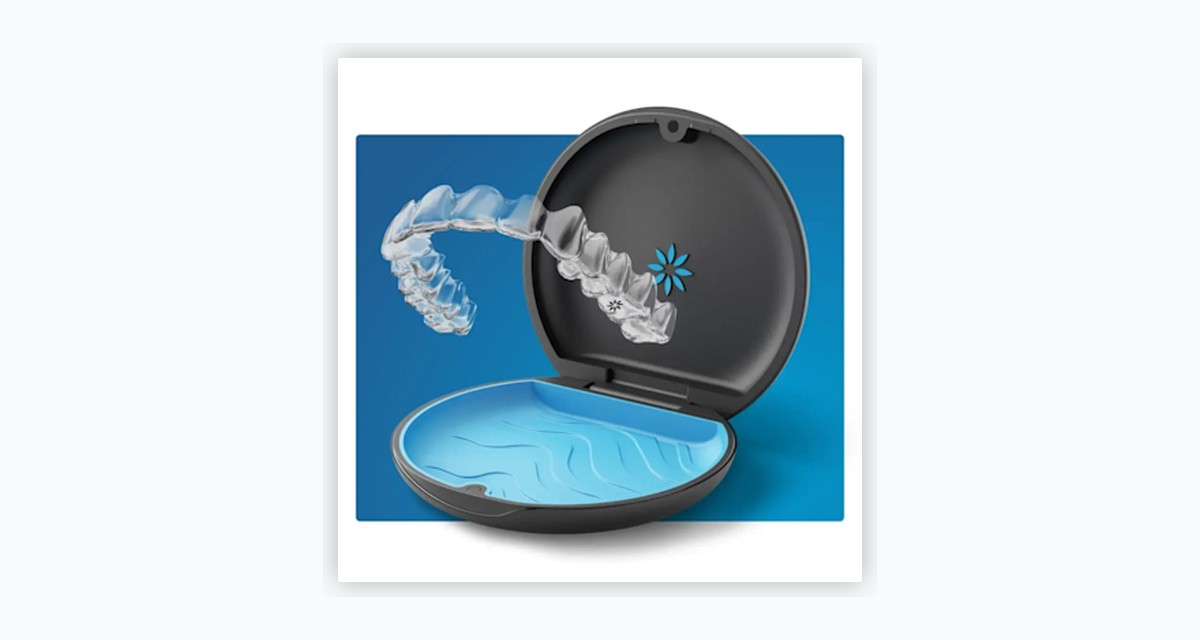
Keep the case with you whenever you will eat away from home. Store removed trays in it rather than in a tissue, pocket or loose in a bag. [4]
A tray lifting in one place or an attachment that appears to have come off is useful information for the office. Ask for advice before changing the prescribed sequence.
Attachments, IPR and refinements are different decisions.
Attachments help an aligner engage particular teeth. Interproximal reduction (IPR) changes a planned amount of enamel between teeth to create space or adjust shape. Refinements are additional aligners for further movement after reassessment. Each deserves its own explanation and consent where relevant. [5][6][7]
A recommendation for one does not automatically mean the others are needed. Ask to see which features belong to your own plan. Do not use a photo of another patient’s trays to predict your treatment.
Duration and cost should describe the same scope.
A quoted duration should distinguish active treatment from waiting for aligners and the long-term retention phase. Additional treatment may change the schedule. An estimate is a planning tool, not a guaranteed finishing date.
Our cost guide helps you compare records, review visits, extra aligners, replacement trays and retainers. Confirm the Maple Ridge office’s current fees and conditions; no price is assigned to you by this website.
Questions families ask
Will other people see the attachments?
Tooth-coloured attachments can still be visible, especially on front teeth. Ask to see a model or example and where attachments would be placed in your plan. [5]
Can I request a different brand?
Yes. Ask why the office recommends a system, what alternatives it offers and how those options would change the treatment plan or daily routine.
Are retainers optional after Invisalign?
Retention is an ongoing part of maintaining the result. Ask for the prescribed wear schedule, replacement arrangements and what to do if a retainer no longer fits. [8]
Keep exploring
Sources & further reading
- Align Technology — ClinCheck planning — Manufacturer information.
- Align Technology — Invisalign technology — Manufacturer information.
- Invisalign Canada — patient questions — Manufacturer information.
- Align Technology — aligner storage cases — Manufacturer information.
- Align Technology — Invisalign attachments — Manufacturer information.
- British Orthodontic Society — interproximal reduction statement — Professional-association guidance.
- Align Technology — treatment complexity and additional aligners — Manufacturer information.
- American Association of Orthodontists — retainers after orthodontic treatment — Professional-association guidance.
Sources checked 18 October 2026. Practical examples and checklists are editorial guidance. Product descriptions are not independent evidence of superiority.