The comparison in plain language
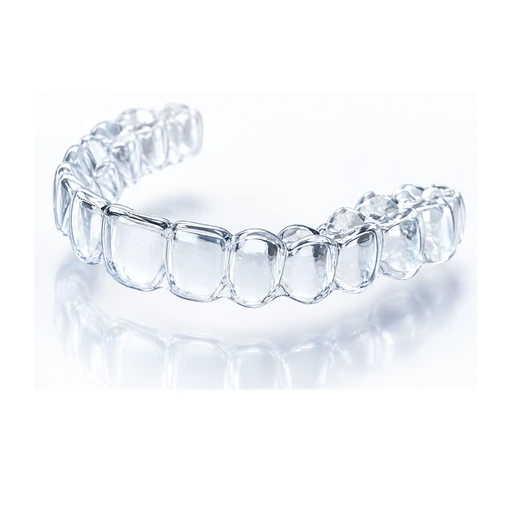
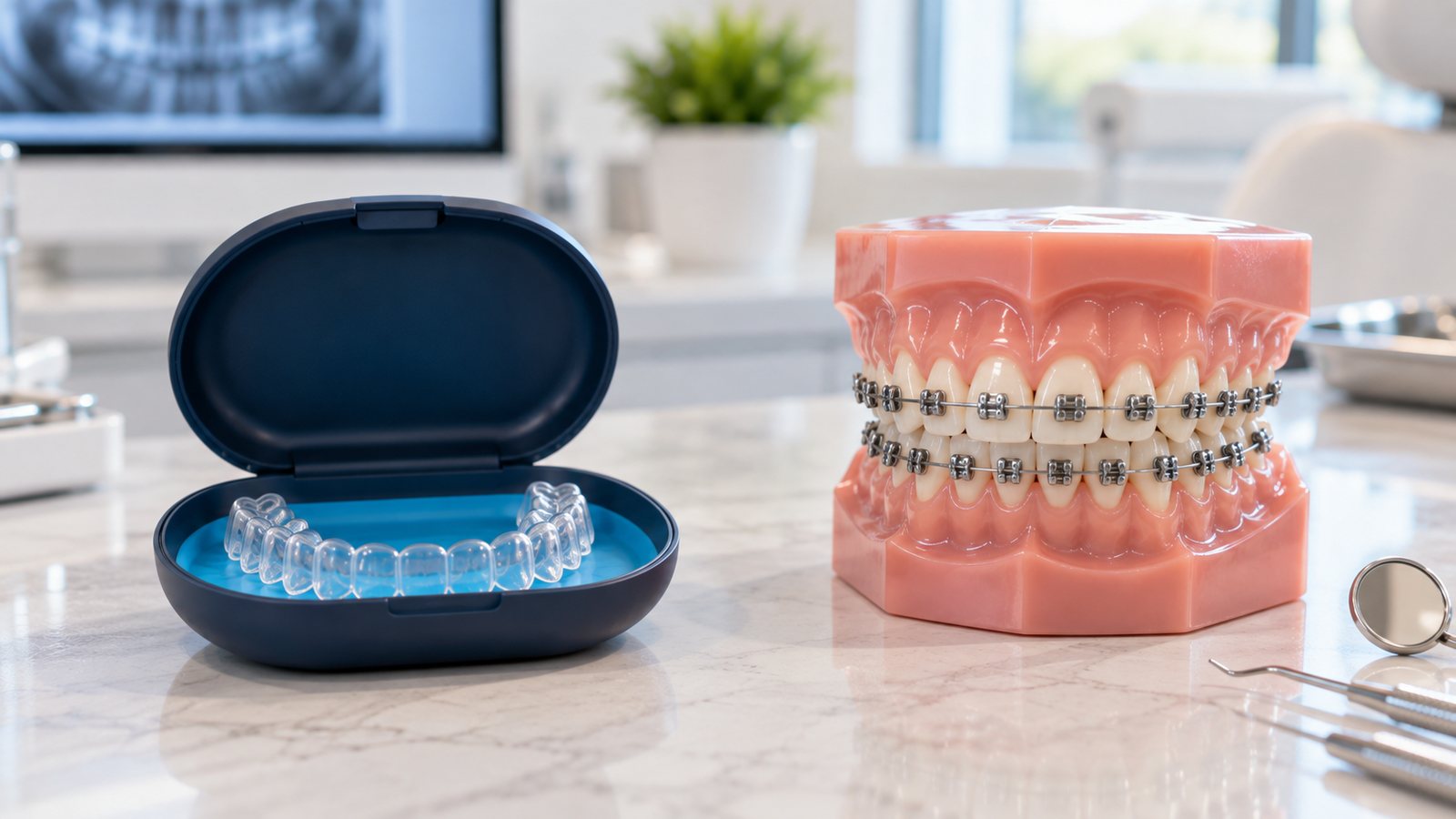
Invisalign uses removable clear aligners. Fixed braces use brackets and wires attached to teeth. Both belong in an orthodontic discussion, and some plans combine appliances. The clinician’s recommendation should connect the required movements with the patient’s circumstances. [1] [2]
The products and care options
Images identify the options shown. Product photos do not establish local availability or a comparison of treatment results.

What each option describes
What patients usually compare
These are practical differences, not scores. Ask how they would affect the particular plan proposed for you.
| Compare | Invisalign | Fixed braces |
|---|---|---|
| Daily routine | A removable appliance with a prescribed wear and tray-change routine. | A fixed appliance; cleaning, appointment attendance and any prescribed elastics still matter. |
| Meals and cleaning | Aligners are removed for meals and oral hygiene. [2] | Ask about cleaning around brackets and adapting food choices during treatment. |
| Appearance | Clear trays may still involve visible attachments or elastic connections. | Brackets and wires are visible with conventional braces; ask about available appliance types. |
| Changes to the plan | Ask when fit checks, rescans or additional trays would be considered. | Ask how wire or appliance adjustments address progress and finishing. |
| After active treatment | Ask for a retainer prescription and the included follow-up. | Ask for the same; the retainer phase should not be omitted from the comparison. [3] |
Make the appliance choice specific to the patient
Identify the movements that drive the recommendation
Ask which part of the treatment is straightforward and which part needs more control or support. Request an explanation in terms of your teeth and bite. A broad statement about “simple” or “complex” cases is less useful than knowing what the clinician expects from each appliance.
Be realistic about a removable routine
Think through meals, work, school and cleaning rather than answering only whether you like the appearance of trays. Ask for the prescribed routine before choosing. With braces, ask what responsibilities remain even though the appliance stays attached.
Clarify what “hybrid” means
A combined plan may use one appliance for part of treatment and another for a later phase. Ask which teeth and goals each phase addresses, what triggers the change and whether both phases are included in the quote. The word hybrid should describe a plan, not an automatic upgrade.
When either approach—or a combination—may fit
Aligners may be considered when the diagnosis and ability to follow a removable-appliance routine support them. Braces may be considered when fixed appliances suit the intended mechanics or patient circumstances. The Canadian Association of Orthodontists presents both as treatment options and notes that clear aligners do not fit every orthodontic problem. [1]
Questions to ask before choosing
- Which specific movements make you recommend this appliance?
- Would the intended finish be the same with either option?
- What would I need to do each day, including any elastic wear?
- Would you consider a combined plan, and why or why not?
- What are the fees if we need to change the appliance during treatment?
A few points to clarify
How should I compare estimated treatment time?
No universal speed claim is made here. Ask for a case-specific estimate covering the same treatment goals, possible revisions and finishing.
Are braces only for patients who cannot use aligners?
No. Braces are a treatment option in their own right. Ask why the clinician considers a fixed or removable appliance appropriate for the intended movements.
Will I still need retainers after either treatment?
Discuss retention before committing to either option. Ask which retainers, wear instructions and follow-up would apply to your completed treatment.
Choose the complete proposal
Choose the appliance as part of a complete treatment plan, not as a lifestyle label. A useful consultation makes the movement goals, everyday responsibilities, alternatives and retention plan clear.