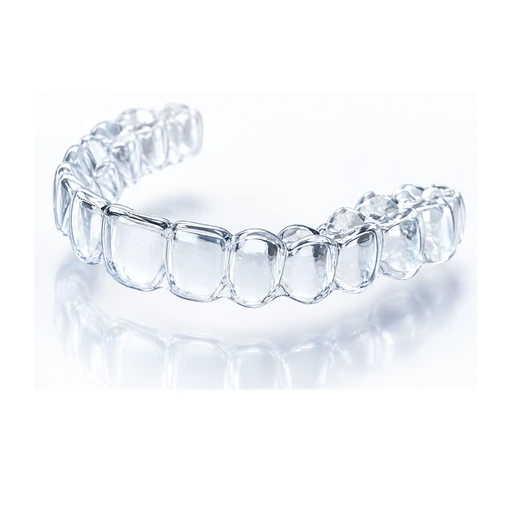
When clear-aligner treatment needs another look
Make sense of poor fit, an unfinished result or a possible transfer—without blaming a brand or guessing at the next tray.
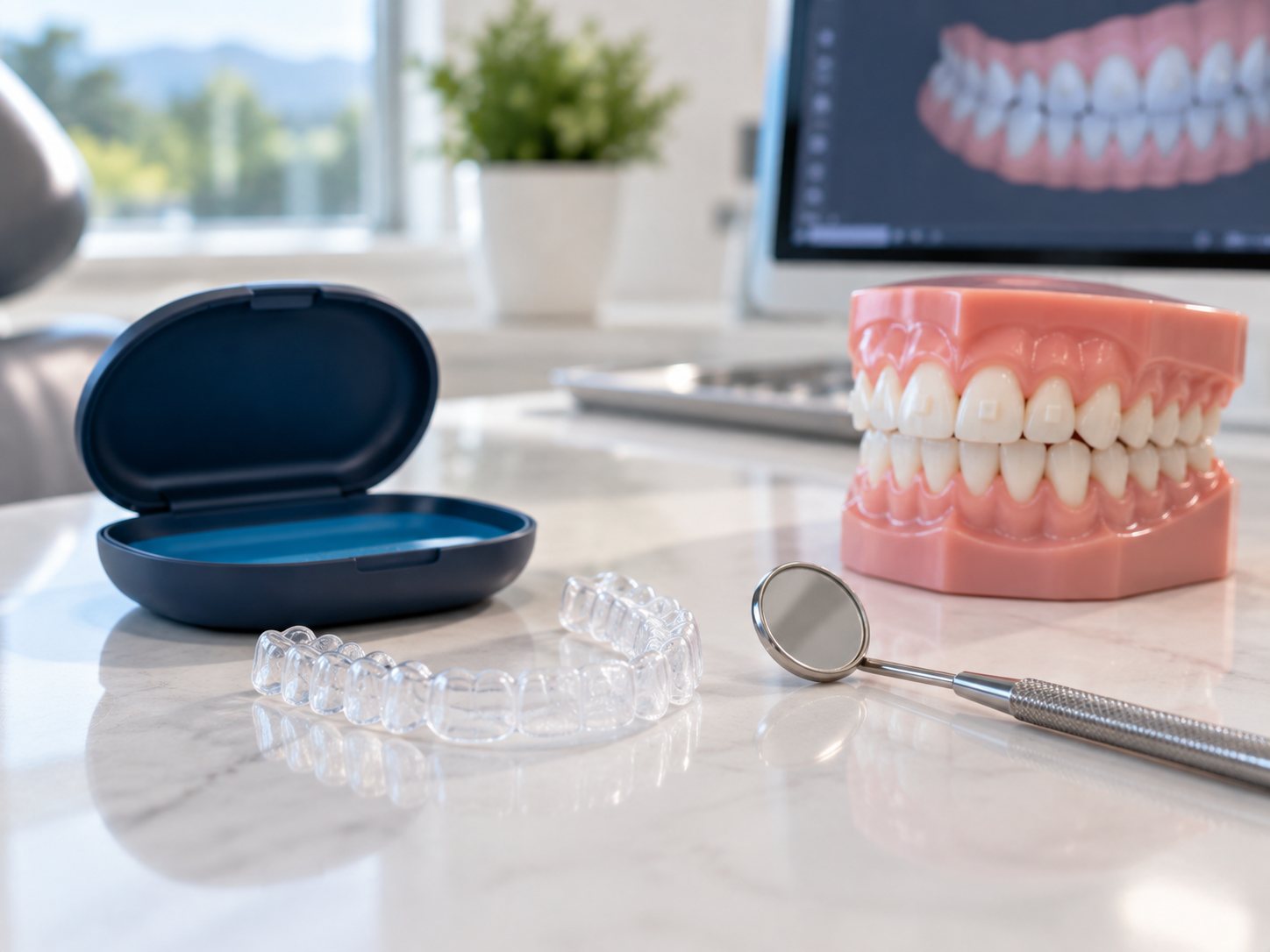
First, identify what is happening.
“Aligner rescue” is a broad phrase for reassessing treatment that is not progressing as expected. It does not identify the cause, prove that a product failed or promise that another office can take over immediately.
Explain where it lifts, the tray number and when the change started. Check the poor-fit guide and call the treating office.
Describe the remaining concern: tooth position, spacing, bite contact or another issue. Ask what was included in the agreed treatment goals.
Identify your treating clinician and request the relevant treatment agreement and records. A new office will need information before deciding whether it can accept a transfer.
Use the right route for help.
If you are in treatment, contact that office first where possible. A website enquiry is not urgent care. Severe pain, swelling, injury or a significant bite change needs prompt clinical advice; breathing or swallowing difficulty requires emergency help.
Do not force an appliance, skip ahead or choose a new sequence on your own. The manufacturer’s support information describes interim tray decisions as choices for the doctor, not instructions a patient should improvise. [1]
Prepare for a second-opinion visit.
- Your current and previous trays, if available, with their numbers.
- The original treatment proposal and payment agreement.
- A timeline of the concern, missed wear, lost trays or other changes.
- Relevant scans, radiographs or photographs transferred through the receiving office’s approved process.
- The result you expected and the remaining problem in your own words.
Send sensitive records only through a method arranged with the clinical team. The short contact form on this site is for scheduling, not for uploading a medical history.
Reassessment may lead to several different next steps.
Depending on the examination and records, the advice might be an adjustment to the current plan, additional aligners, another appliance or addressing a dental-health issue first. A refinement is not automatically evidence of failure; it can form part of ongoing treatment. [2]
Before any transfer, obtain the new office’s acceptance, clinical proposal, written fees and explanation of how existing records or manufacturer arrangements can be used. Do not assume that payments made elsewhere transfer with the trays.
Questions families ask
Can this guide tell me whether my treatment failed?
No. A review needs the original goals, progress information and an assessment of the current teeth and bite. The guide helps you prepare that discussion.
Does extra treatment mean the brand was wrong?
Not by itself. The reason for further treatment needs clinical assessment. Avoid attributing an unfinished result to a product name without evidence.
Can I request a consultation at Maple Ridge?
Yes. Explain that the enquiry concerns existing treatment or a second opinion so the team can tell you which information and appointment are appropriate. Acceptance of a case is not guaranteed by submitting a form.
Keep exploring
Sources & further reading
- Align Technology — provider support and replacement aligners — Manufacturer information.
- Align Technology — treatment complexity and additional aligners — Manufacturer information.
Sources checked 18 October 2026. Practical examples and checklists are editorial guidance. Product descriptions are not independent evidence of superiority.