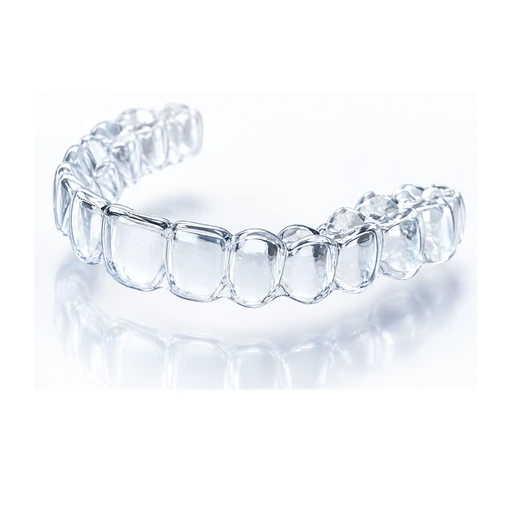
IPR with Invisalign
A patient guide to planned enamel reduction: why it may be proposed, what to ask and why the decision is individual.
IPR creates a planned amount of space.
Interproximal reduction means removing a controlled amount of enamel between selected teeth during orthodontic treatment. It may create space for alignment or help adjust tooth shape. The British Orthodontic Society emphasises the need for a clinical assessment, care and informed consent. [1]
IPR is a separate decision from moving the teeth. It is not a routine requirement for every patient and should not be inferred from the aligner brand. Because enamel removal is irreversible, the reason and alternatives should be clear before you agree.
Why it might appear in a treatment proposal
Ask the clinician to show which contacts are involved and explain why that space is being created. Tooth shape, available space and the intended position of the teeth all belong in the explanation.
The discussion should include alternative ways of managing the space problem and the trade-offs of each. Do not treat a generic online maximum amount as a personal allowance: the clinical decision is specific to the teeth and plan.
What a patient needs to know about the appointment
The team uses clinical instruments to reduce and finish the planned contact areas. Ask what sensations to expect, how the amount is controlled and what care is recommended afterward. This guide does not provide instructions for carrying out IPR.
Tell the clinician about sensitivity, restorations or a concern about the teeth involved. Report persistent symptoms after the visit. Never file teeth yourself or ask someone to do it outside the prescribed clinical plan. [1]
A clear consent conversation
- Which teeth and contacts are proposed, and why?
- What alternatives were considered for creating or managing space?
- How does the proposal account for the condition of these teeth?
- What are the expected benefits, limitations and risks in this case?
- What happens next in the aligner sequence, and when is it checked?
Questions families ask
Does every Invisalign patient need IPR?
No. It is used when the clinician considers it appropriate for a particular plan, not because of the brand alone.
Is IPR the same as extracting a tooth?
No. They are different interventions. Ask the clinician why the proposed method fits the space problem and what the alternatives would involve.
Should I arrange IPR separately from my aligner treatment?
Discuss it with the clinician responsible for the orthodontic plan. Assessment, consent, execution and subsequent tooth movement need coordinated responsibility. [1]
Keep exploring
Sources & further reading
- British Orthodontic Society — interproximal reduction statement — Professional-association guidance.
Sources checked 18 October 2026. Practical examples and checklists are editorial guidance. Product descriptions are not independent evidence of superiority.