The comparison in plain language
This comparison needs a vocabulary check. Invisalign is an aligner system. uLab is a company whose offering includes uDesign planning software, uAssist planning support and uSmile aligners. Some uLab workflows also let a practice produce trays in the office. Ask which arrangement is actually in the proposed treatment. [1] [2]
The products and care options
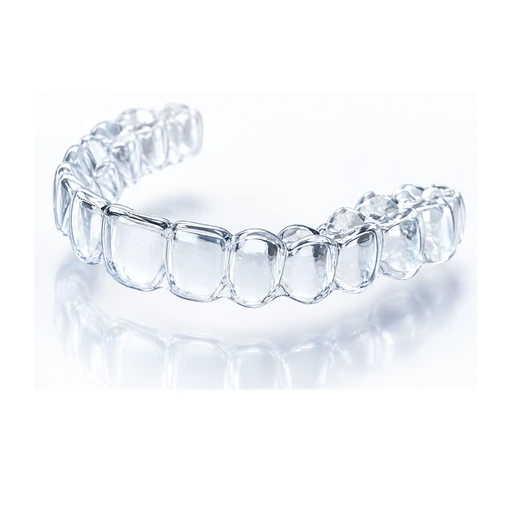
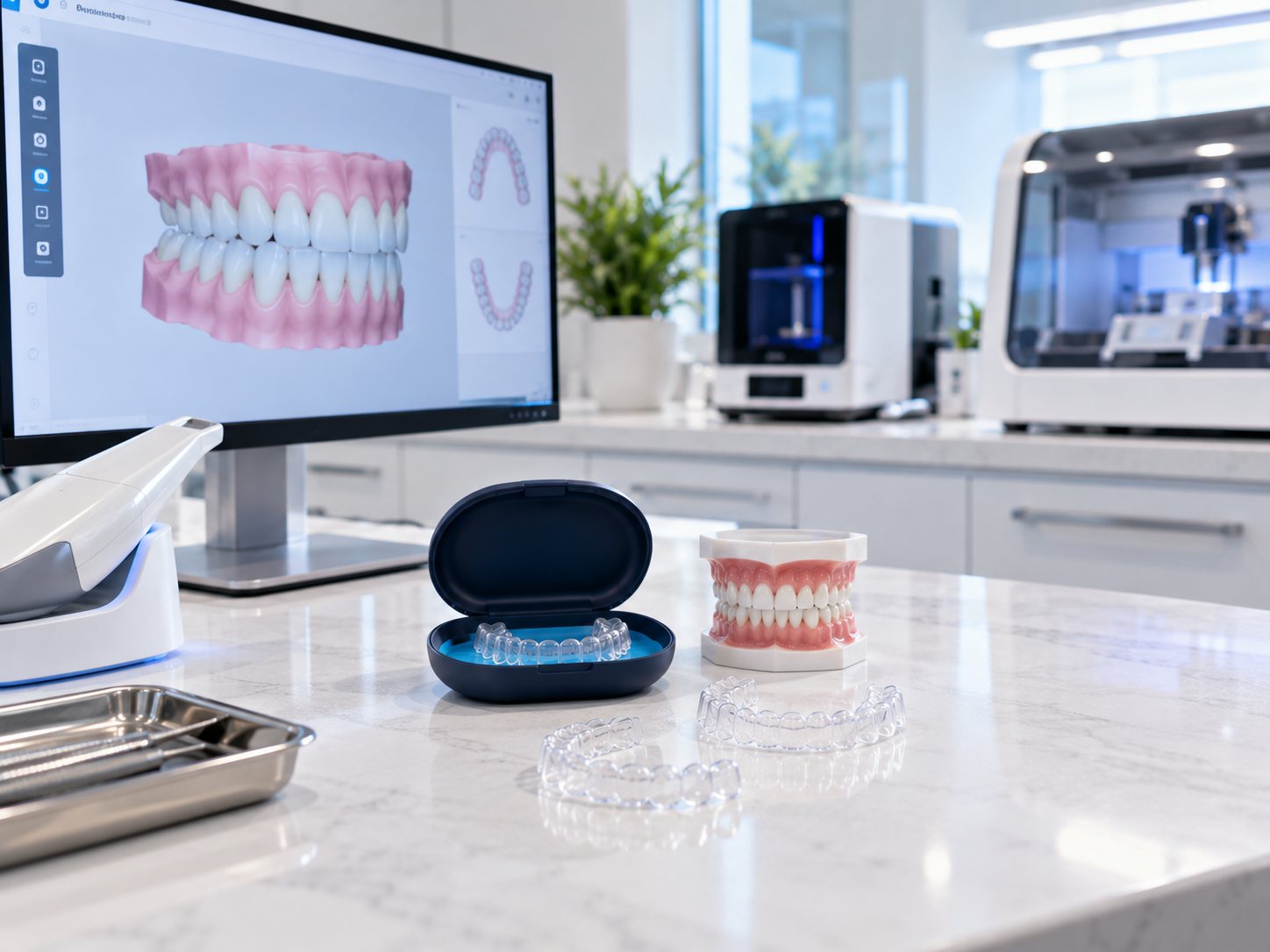
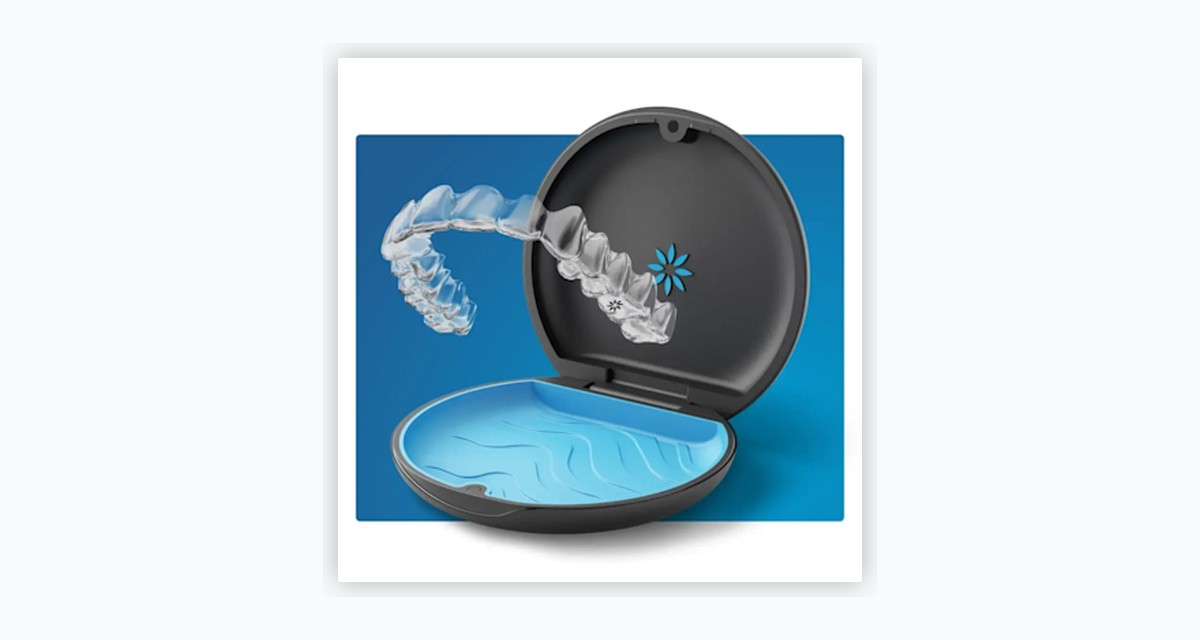
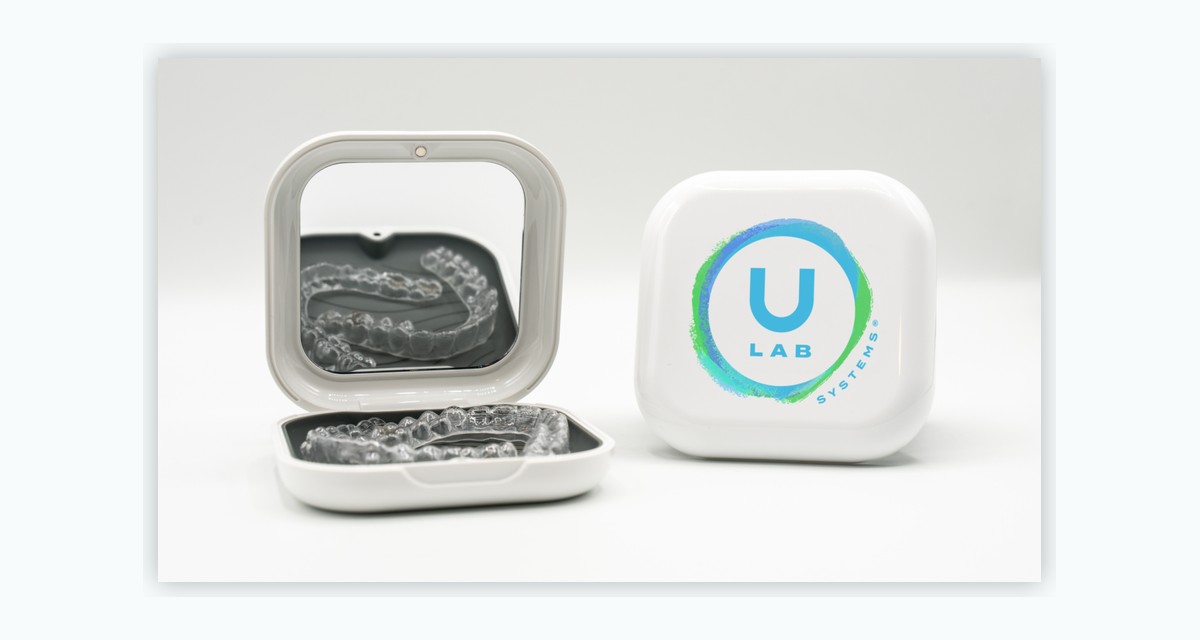
Images identify the options shown. Product photos do not establish local availability or a comparison of treatment results.
What each option describes
Invisalign
An aligner system
The clinician uses the Invisalign system and ClinCheck planning environment for the prescribed aligners. [1]
uLab / uSmile
A platform and an aligner product
uDesign supports planning; uSmile is an aligner product. Model export can support in-office fabrication, depending on the workflow. [3]
What patients usually compare
The uLab column describes a family of possible workflows. It does not mean every uLab-based treatment is made in the office.
| Compare | Invisalign | uLab / uSmile |
|---|---|---|
| What the name identifies | Invisalign identifies the aligner system. | uLab identifies the company; uDesign and uSmile identify different parts of its offering. [2] |
| Planning | ClinCheck is the planning environment. [1] | uDesign supports planning; uAssist is optional planning support. [2] |
| Production route | Ask how the prescribed Invisalign trays are ordered and replaced. | Ask whether the trays are uSmile products, locally fabricated trays or a combination. [3] |
| Packaging | The brand name is one product identifier; ask about the written treatment scope. | Office-branded packaging may not tell you the software or manufacturer. Ask for both. |
| Continuing care | Request the rescan, refinement, transfer and retainer arrangements. | Request the same arrangements, including who retains the files used for production. |
Identify the workflow before comparing it
Who plans, who approves, who produces?
These may be three different roles. Ask whether planning is done by the treating clinician, supported by a planning service, or developed through another arrangement. Then establish who signs off on the prescription and who makes the trays. Outsourcing a task does not by itself describe the quality of the plan.
A local production route is not a clinical indication
An office’s ability to make trays does not tell you which movements are appropriate. Ask how the proposed treatment goal led to the choice of appliance and production route, rather than working backwards from the equipment in the office.
Plan for records and future continuity
Ask what records will be available if you relocate or need a different appliance. Clarify who can access the treatment setup and which records can be supplied to another clinician. Do not assume digital files or aligners can transfer unchanged between unrelated systems.
Where different workflows may be reasonable
A clinician may choose a manufactured system, an in-office workflow or a combination for an appropriately assessed case. The patient comparison should focus on the prescription, approval process and ongoing care. uLab itself describes several planning and manufacturing routes rather than one required production model. [3]
Questions to ask before choosing
- Does the proposal mean uSmile aligners or trays made locally using uDesign?
- Who develops the setup and who gives final clinical approval?
- What fabrication method and material would be used?
- How are fit checks, replacements and additional treatment handled?
- Which records and files can be supplied if my care needs to transfer?
A few points to clarify
Is uLab another name for in-office aligners?
No. uLab offers software and services as well as uSmile aligners. In-office fabrication is one possible workflow, not a synonym for the company.
Are all in-office aligners made with uLab?
No. “In-office” describes a production location, not a single software vendor. Ask the practice which system it uses.
Does local production guarantee a lower patient fee or a quicker finish?
This guide does not assume either. Ask for the actual delivery arrangements and full treatment quote; production timing and biological tooth movement are separate issues.
Choose the complete proposal
A fair comparison first names the actual products and responsibilities. Once you know who plans, approves, manufactures and follows your treatment, the proposals can be compared without using “in-house” or “brand name” as a quality shortcut.