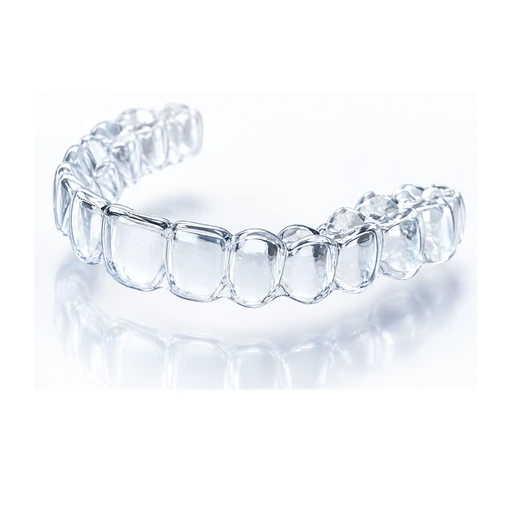
Teeth and bite
Visible crowding or spacing is only part of the picture. Ask whether the proposal includes the way upper and lower teeth meet as well as the front-tooth appearance.
A useful decision starts with your teeth, your bite and your routine—not a yes-or-no result from an online checklist.

The starting point is a description of your teeth, bite and oral health. The clinician considers what needs to move, what supports those teeth and whether the proposed appliance can work within a realistic routine. A photograph or online quiz cannot provide all of that information. [1]
Bring the outcome you want and ask for the findings that shape the recommendation. You should understand why the plan might involve aligners, braces, a combination or treating another dental concern first.
Visible crowding or spacing is only part of the picture. Ask whether the proposal includes the way upper and lower teeth meet as well as the front-tooth appearance.
Active decay, poor oral hygiene or periodontal disease can affect whether movement should start. The clinician may advise addressing these first. [2]
Removable treatment depends on prescribed wear. Explain meals, work, school and activities honestly so the plan can be practical. [1]
A recommendation for braces, another appliance or a combined approach should come with an explanation of the movements and practical reasons. It is not a judgement on the patient or on a clear-aligner brand.
Ask what would change between the alternatives: the treatment goals, likely attachments or elastics, visits, duration estimate and cost. You can compare those proposals without demanding a single product before the diagnosis is clear.
Some bite problems can be addressed with aligners, sometimes with additional features or appliances. The type and extent of the problem must be assessed; the name of a bite condition does not determine one treatment for everyone. [3]
This guide does not rank a brand as universally suitable. Ask how the particular plan addresses your findings and what alternatives were considered.
Use the consultation to understand the recommendation, written costs and next steps. Confirm any consultation fee or booking terms directly with the office.
Sources checked 18 October 2026. Practical examples and checklists are editorial guidance. Product descriptions are not independent evidence of superiority.