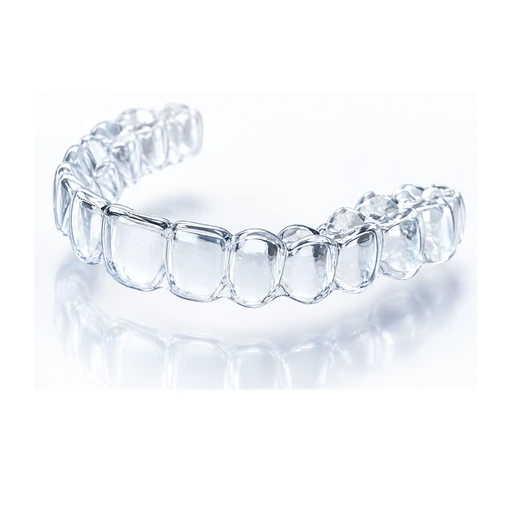
The comparison in plain language
Invisalign and Clarity Aligners are distinct clear aligner systems. They use different names for their planning software, materials and attachment features. These differences identify the product; they do not establish a universal winner.
Compare the proposed tooth and bite changes, the clinician’s explanation of the appliance, the review schedule and the written treatment agreement. The right question is how each proposal would address your case.
The products and care options
Images identify the options shown. Product photos do not establish local availability or a comparison of treatment results.
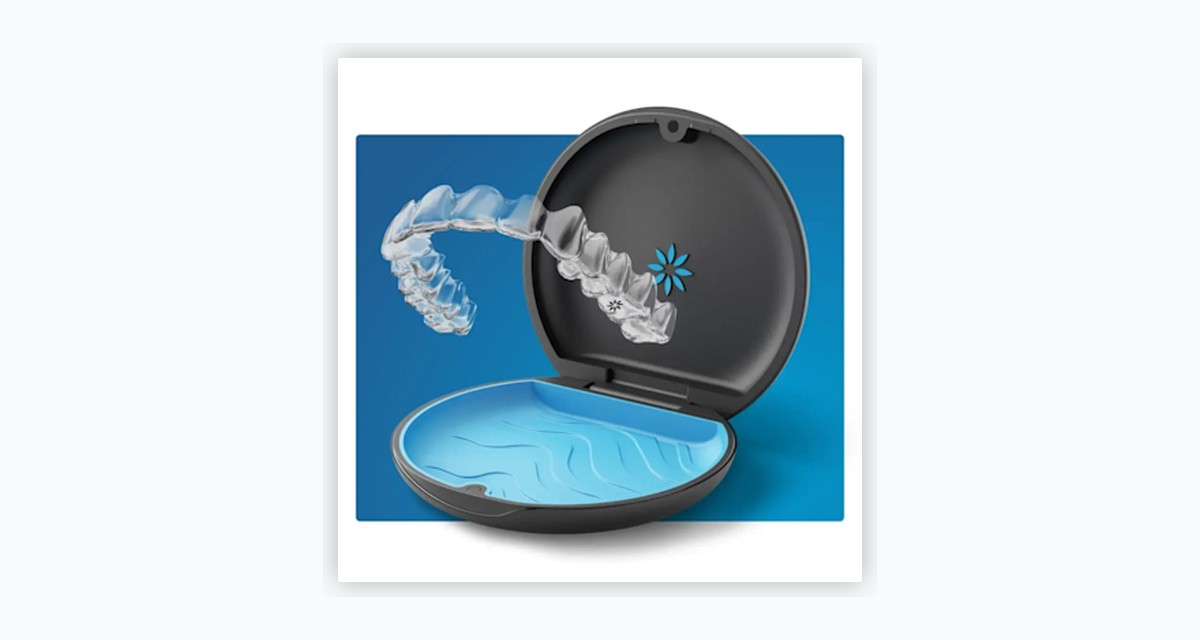
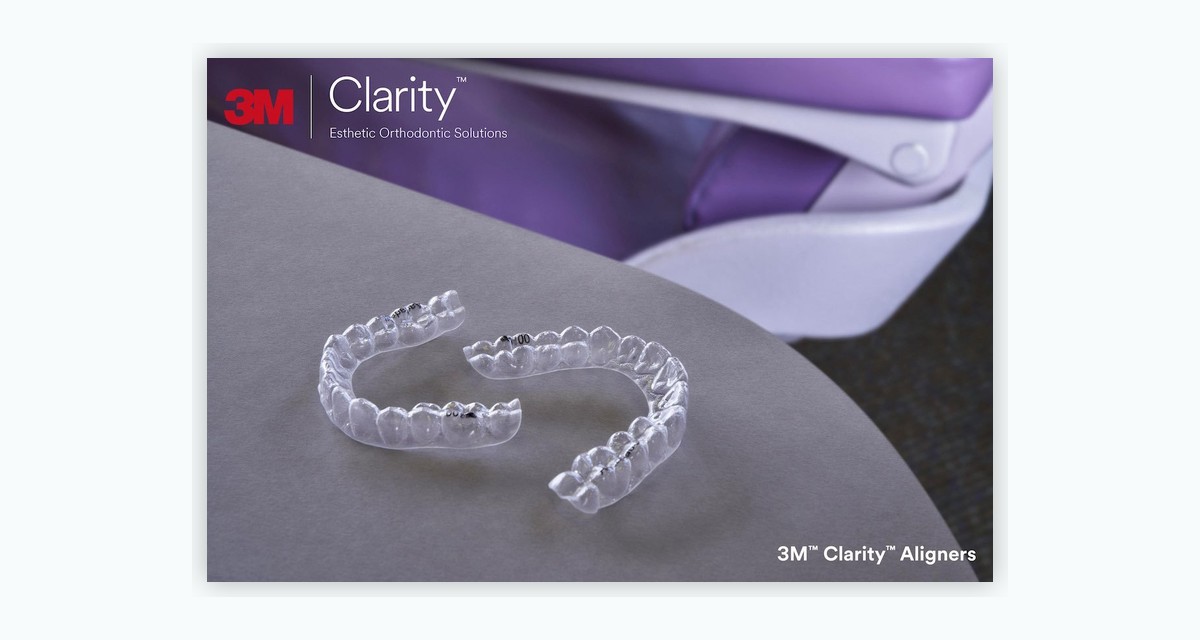
Two systems. Separate terminology.
Invisalign
Align Technology
ClinCheck is the planning platform. SmartTrack and SmartForce are names associated with aligner material and attachment features. [1]
Clarity Aligners
Solventum · also shown in 3M-branded product imagery
Clarity Portal is the treatment-design platform. Solventum’s Canadian page describes Flex and Force aligners and Clarity Precision Grip Attachments. [2]
What patients usually compare
Keep product features separate from what the treating office promises to provide. The appointment schedule, fee and retention arrangements belong in your own agreement.
| Compare | Invisalign | Clarity Aligners |
|---|---|---|
| Digital planning | ClinCheck lets the clinician work with a digital treatment plan. Ask which changes are planned and how they are monitored. [1] | Clarity Portal supports treatment design. Ask to review the plan and the changes the clinician has prescribed. [2] |
| Material names | SmartTrack is an Invisalign material name. A material name is not a personal treatment-time estimate. [1] | Flex and Force identify Clarity aligner options. Ask which is proposed and why; their presence in a catalogue is not a performance ranking. [2] |
| Attachment features | SmartForce attachments are tooth-coloured features used for planned movements. Ask where attachments would be placed. [1] | Precision Grip Attachments are described in Clarity’s Canadian documentation. Ask which attachment approach is proposed for your case. [2] |
| Progress reviews | Clarify who checks fit and tooth movement, and how to obtain an appointment when a problem occurs. | Ask the same questions. Do not infer the review schedule from the product name. |
| Additional treatment | Ask what a refinement means in your agreement, including any time limits or revised fees. | Clarify the office agreement separately from the manufacturer’s ordering allowance. |
| Retainers and costs | Get a written total, retainer details and any exclusions. | Compare the same treatment goals and aftercare before comparing totals. |
Translate the feature into something you can understand.
A planning screen is a proposal, not a finished result.
Ask the clinician to explain the proposed movement and how progress will be checked against it. The presence of detailed planning software does not remove the need for actual fit and tooth-movement reviews. [3]
See the attachments before agreeing to treatment.
The relevant discussion is where features would sit and what they are intended to do. Ask about appearance, removal technique and whom to contact if an attachment comes off. Different terminology should not be mistaken for attachment-free treatment.
Keep the package and the care agreement separate.
A manufacturer’s product allowance is not the whole patient contract. The office should explain appointments, rescans, additional trays, retention and any revised fees when goals or circumstances change.
When either may be worth discussing
When removable aligners fit the diagnosis and the patient’s routine, a clinician can explain whether a particular system is suitable for the intended changes. Not every orthodontic problem is suitable for aligners, and the treating office may not offer every system. [3]
The proposals list different attachment features.
Instead of choosing the shorter feature list, ask each clinician to show the planned positions and explain their purpose. Then compare the intended finish and review arrangements. This keeps the decision about your proposed treatment rather than assuming that a product label or fewer visible features guarantees a better result.
Questions to ask before choosing
- Which tooth and bite changes would this plan address?
- Which attachments or other features are proposed, and why?
- Who reviews the digital setup and checks progress in person?
- What happens if a tray does not fit or a planned movement is incomplete?
- What refinements, retainers and follow-up are included in the written fee?
- Is the proposed system currently available through this treating office?
A few points to clarify
Is Clarity the same product as ClearCorrect?
No. They are separate systems. This comparison uses Solventum’s Clarity documentation; ClearCorrect has its own separate comparison guide.
Does Clarity always use Precision Grip Attachments?
The manufacturer describes that attachment option, but the actual features of a proposed treatment must be confirmed with the clinician. Do not assume that every case uses every advertised feature.
Does a different material mean faster treatment?
A material description alone does not establish your treatment duration or a ranking between systems. Ask for a case-specific estimate and its assumptions.
Will insurance treat these two brands differently?
Ask your insurer to review the proposed treatment and estimate. Eligibility and payment depend on your policy; do not infer coverage from a comparison page.
Choose a well-explained proposal.
Product names help you understand what is being offered. They do not replace an explanation of the treatment goal, how progress is checked or what is included after the final active tray. Keep those practical details central when comparing Invisalign and Clarity Aligners.