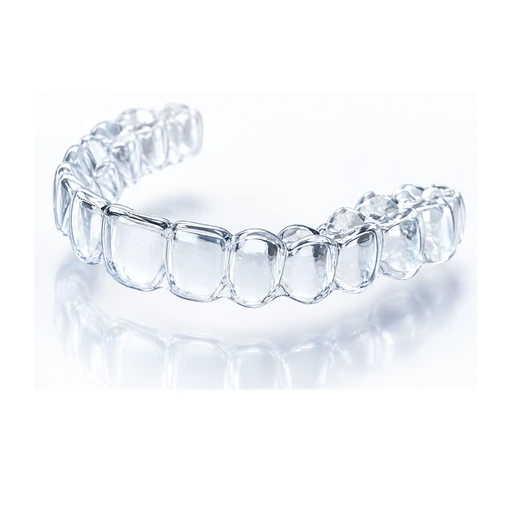
Aligner Not Tracking
If an aligner is not seating properly or teeth are not following the tray, learn possible causes and when to contact an orthodontic team.
Quick answer
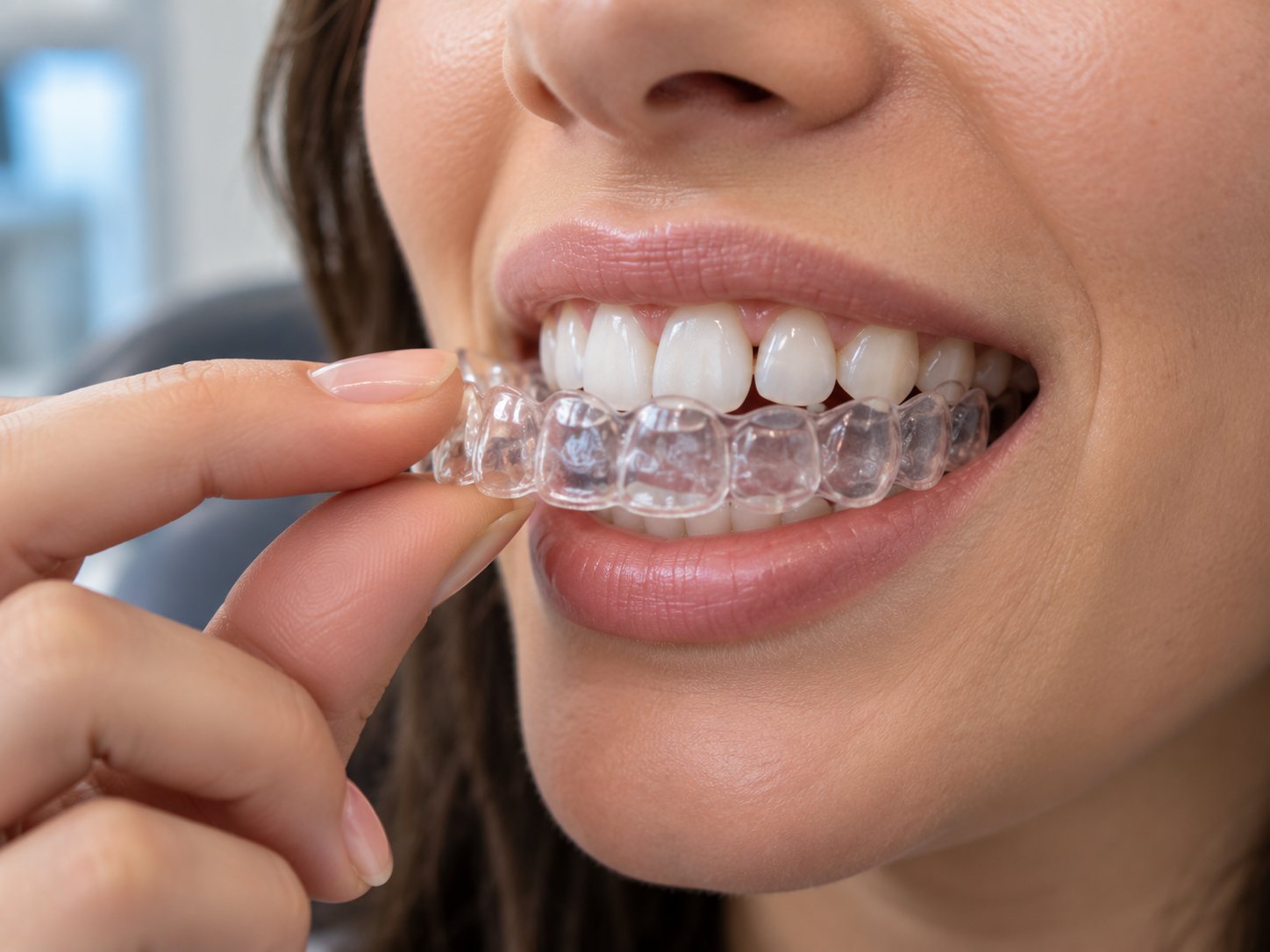
Aligner Not Tracking is a sign that the original plan, wear-time habits, attachment design, tooth response or monitoring schedule may need review. The safe first step is reassessment rather than guessing, skipping trays or forcing a poor-fitting aligner.
What to figure out before fixing aligner not tracking
Aligner problems are usually a symptom, not the diagnosis. Poor tracking, a tray that does not fit, a broken attachment or an unfinished remote case needs records and a new assessment before the plan is simply continued.
The goal is to identify whether the issue is wear time, broken mechanics, incomplete diagnosis, unrealistic staging or a bite change.
What to clarify
- Which tray last fit properly
- Whether attachments are intact
- Whether wear time has slipped
- Whether the bite feels worse
- Whether new records are needed
Why local access matters for aligner rescue
When trays are not fitting, the patient needs practical help quickly. A local Maple Ridge assessment can check whether the issue is wear time, attachment loss, poor staging, bite change, tray damage or an incomplete previous plan.
Waiting several stages usually makes rescue harder. Early review is simpler and more honest.
Local planning checklist
- Bring the last tray that fit properly.
- Bring all current trays and cases.
- Do not force trays that rock or leave visible gaps.
- Ask whether a rescan, refinement or stabilization tray is needed.
When an aligner stops tracking
Poor tracking is one of the few clear-aligner problems that should not be left to the next routine visit. Small fit problems are easier to correct than several trays of drift.
This warning belongs here because this page is specifically about tray fit. On most education pages, a calmer treatment-planning discussion is enough.
Do not ignore poor tray fit
- Do not jump to the next tray if the current one is visibly not seating.
- Do not force a tray that rocks, bends or leaves a persistent gap.
- Do not assume tracking will fix itself after several missed stages.
- Do contact the office early if an attachment breaks or a tooth stops following the tray.
- Do bring the current tray, previous tray and next tray to a fit-check visit if asked.
Questions to ask about aligner not tracking
- Which tray should I wear now?
- Do I need a rescan or refinement?
- Are my attachments still doing their job?
- Has my bite changed?
- Would braces or hybrid treatment now be more predictable?
Where aligner not tracking fits in the clear-aligner decision
This page belongs inside the aligner-rescue cluster. It is for patients whose trays are not fitting, treatment has stalled or a previous aligner plan needs a second look.
The safest next step is usually assessment and triage, not forcing more trays.
Related clear aligner guides
Common questions
Should I keep advancing trays if they do not fit?
No. Advancing through trays that are not seating can make tracking problems worse. Contact the orthodontic team.
Does a refinement mean treatment failed?
Not necessarily. Refinements are common in aligner treatment and may be part of finishing the result.
Can failed aligner treatment be rescued?
Often there are options, but the next step depends on records, bite condition, gum health and why the original plan went off track.
Find out whether clear aligners fit your case.
Bring the questions from this guide to a specialist orthodontic assessment. The goal is not just to choose a tray brand; it is to choose the right treatment plan.