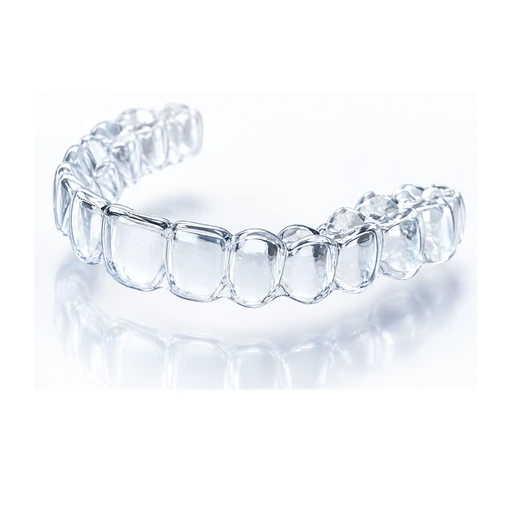
Retainers After Invisalign
After Invisalign, retainers protect the result. Learn about clear retainers, fixed retainers, Vivera-style retainers and long-term night wear.
Quick answer
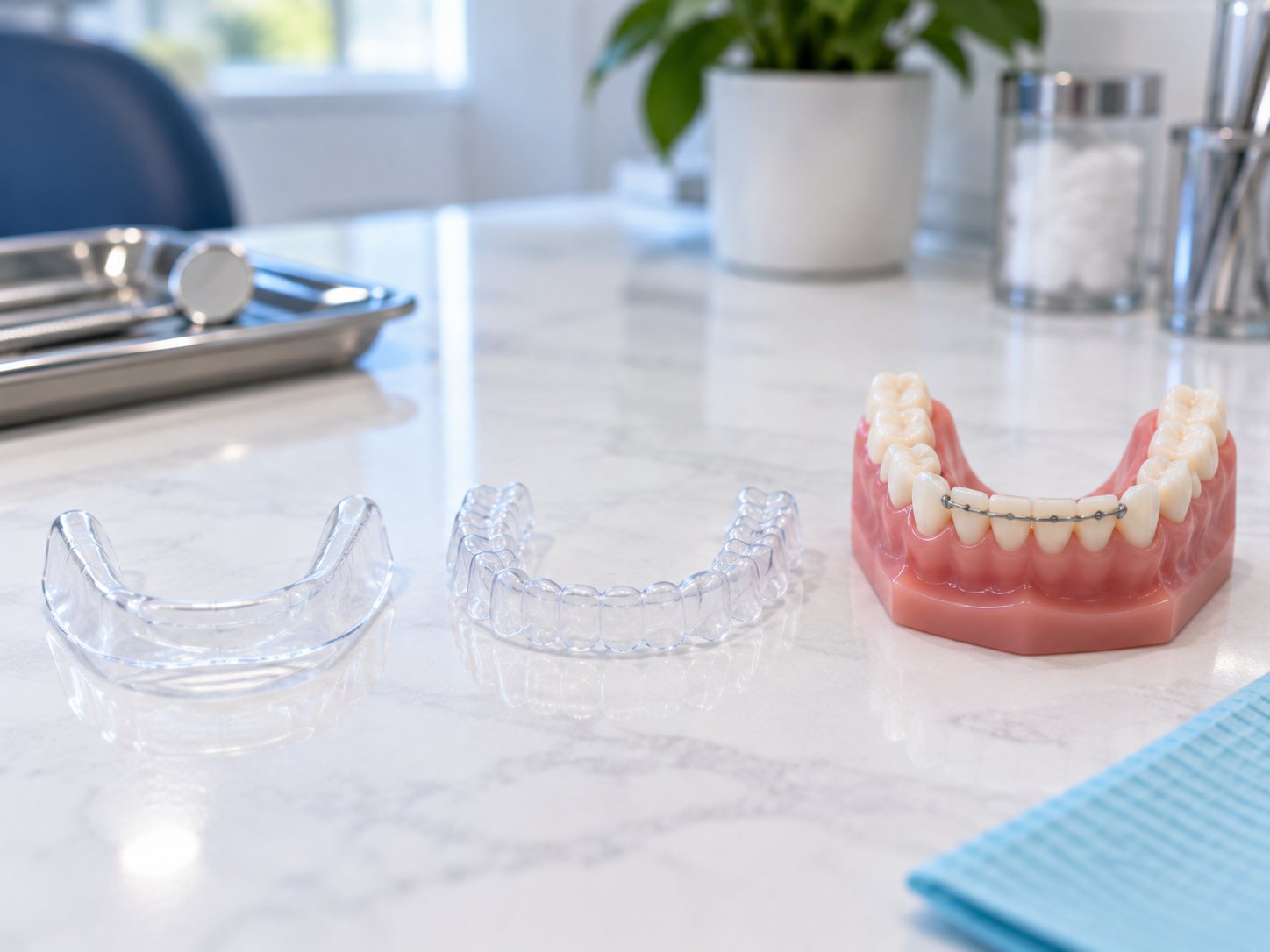
Retainers After Invisalign matters because teeth continue to adapt after active aligner treatment. Retention is not optional; it is the part of the treatment plan that protects the result.
What matters for retainers after Invisalign
Retainers are not an afterthought. They are the system that protects the tooth movement after clear aligners or braces. The right type depends on relapse risk, bite, hygiene, grinding, restorations and patient habits.
For long-term stability, the retainer plan should be discussed before treatment finishes, not after teeth begin shifting again.
What to clarify
- Clear vs fixed retainer choice
- Night-time wear schedule
- Replacement plan
- Cleaning and storage
- Relapse risk
Local retention and replacement planning
Retainers fail most often because follow-up feels less urgent after active treatment. A local Maple Ridge retention plan should make replacement, repair and relapse checks easy before teeth shift.
The retainer system is part of treatment, not an accessory.
Local planning checklist
- Know how often to wear retainers at night.
- Replace cracked or loose retainers promptly.
- Check fixed retainers if floss catches or the wire moves.
- Book early if a retainer suddenly feels tight.
Questions to ask about retainers after Invisalign
- Which type of retainer fits my relapse risk?
- How many hours do I need to wear it at first?
- Do I need a fixed retainer too?
- How often should retainers be replaced?
- What should I do if the retainer stops fitting?
Related clear aligner guides
Common questions
Do I need retainers after aligners?
Yes. Retainers protect the result after aligners or braces.
Are clear retainers the same as aligners?
No. Retainers hold teeth; aligners are staged appliances designed to move teeth.
What if my retainer feels tight?
A tight retainer may mean shifting has started. Contact the office rather than forcing it repeatedly.
Find out whether clear aligners fit your case.
Bring the questions from this guide to a specialist orthodontic assessment. The goal is not just to choose a tray brand; it is to choose the right treatment plan.